The difference between a flawless hardwood floor and one that creaks, shifts, or fails within a year often comes down to something most homeowners never consider. It’s not the wood species, the finish, or even the installer’s speed it’s the condition of the surface beneath it. In my experience following flooring projects and speaking with contractors, one overlooked detail repeatedly surfaces as the root cause of failure: misunderstanding flatness vs level in hardwood flooring.
At first glance, the terms sound interchangeable. They are not. And confusing them can quietly sabotage an otherwise high-quality installation.
Why Flatness Matters More Than Level
When people think about floors, they naturally assume everything should be perfectly level like a pool of water sitting evenly across a surface. But hardwood flooring doesn’t demand perfect levelness. What it requires is flatness. Flatness refers to how even the surface is across short distances. A floor can slope slightly from one side of the room to the other and still perform perfectly well, as long as it remains consistently even without dips or humps. Level, on the other hand, measures whether the surface is perfectly horizontal relative to gravity.
The distinction is critical. Hardwood boards need full, consistent contact with the subfloor beneath them. When that contact is disrupted even slightly problems begin to form.
The Real Consequences of an Uneven Subfloor
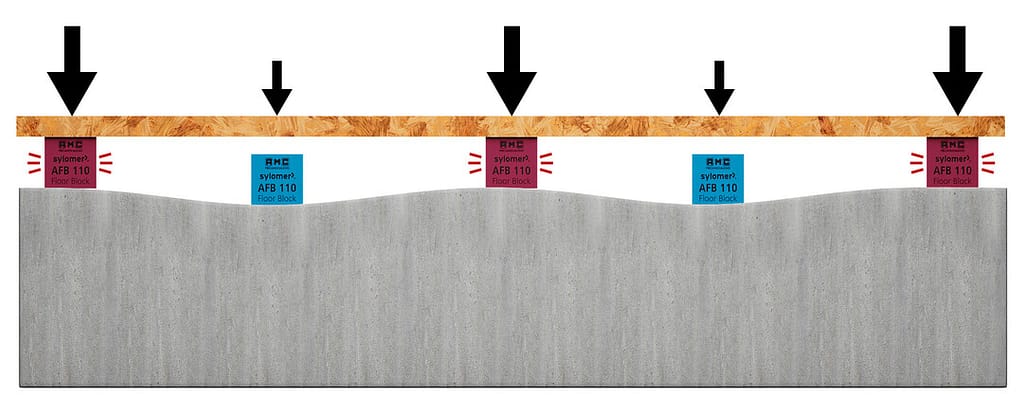
An uneven subfloor doesn’t just create minor imperfections. It introduces structural inconsistencies that worsen over time. High spots areas where the subfloor rises slightly prevent boards from sitting flush. This can lead to visible gaps, uneven seams, and stress along the joints. Over time, those pressure points may cause boards to loosen or shift.
Low spots are even more deceptive. At first, the floor may look fine. But beneath the surface, there’s empty space where the board isn’t fully supported. As people walk across it, the wood flexes. That flexing produces the familiar hollow sound many homeowners notice and eventually, it leads to premature wear, clicking noises, or even cracking.
What’s striking is how small these imperfections can be. A variation of just a few millimeters across a span of several feet is enough to create long-term issues. That’s why professionals rely on strict flatness tolerances rather than visual inspection alone.
How Professionals Measure Flatness
In professional installations, flatness isn’t judged by eye. It’s measured using straightedges and precision tools. Installers typically check for variation across a set distance often around 10 feet. If the surface deviates beyond acceptable limits, corrective action is required before any hardwood is installed. This step is not optional; it’s foundational.
Organizations like the National Wood Flooring Association provide detailed standards that define acceptable tolerances for subfloor preparation. Their guidelines reinforce a consistent message: proper surface preparation is essential to performance, not just aesthetics.
Fixing Concrete Subfloors the Right Way
Concrete presents its own challenges. It may appear solid and uniform, but in reality, it often contains subtle dips, ridges, or curing inconsistencies. To correct this, professionals use self-leveling compounds. Despite the name, these products are designed to create a flat surface, not necessarily a perfectly level one. Once poured and spread, the compound fills low areas and smooths out irregularities, forming a stable base for hardwood installation.
Timing and preparation matter here. The concrete must be clean, dry, and properly primed. If moisture issues are ignored, even a perfectly flattened surface can fail later due to expansion and adhesive breakdown.
Correcting Wood Subfloors Without Compromise
Wood subfloors require a different approach. Instead of pouring compounds, installers typically adjust the structure itself. High spots are sanded down carefully, often using specialized equipment to ensure precision without damaging the surrounding surface. Low areas may be corrected with underlayment materials or by reinforcing the subfloor beneath.
This process can be time-consuming, but it’s essential. Skipping this step to save time almost always leads to callbacks, repairs, or full replacements—costing far more in the long run.
Why This Issue Is So Commonly Overlooked
One reason flatness vs level in hardwood flooring is frequently misunderstood is that the problem isn’t immediately visible. A newly installed floor can look flawless on day one, even if the subfloor beneath it is imperfect.
The issues emerge gradually. Sounds appear first subtle clicks or hollow echoes. Then come movement and wear. By the time visible damage occurs, the root cause is buried beneath the finished surface, making repairs far more complicated.
Another factor is the misconception that thicker or more expensive hardwood can compensate for subfloor flaws. It cannot. Even the highest-quality materials will fail if they aren’t properly supported.
A Simple Comparison That Clarifies Everything
| Aspect | Flatness | Level |
|---|---|---|
| Definition | Evenness of the surface across a distance | Horizontal alignment relative to gravity |
| Importance | Critical for hardwood performance | Less critical for most installations |
| Impact | Prevents gaps, flexing, and noise | Mostly affects visual alignment |
| Priority | Must be corrected before installation | Optional unless extreme |
This distinction may seem subtle, but it has a direct impact on how a floor performs over time.
The Long-Term Value of Getting It Right
From a distance, hardwood flooring is often judged by its finish, color, or style. But those visible qualities are only as reliable as the surface beneath them.
Flatness is the invisible foundation that determines durability. When done correctly, it ensures stability, reduces noise, and extends the life of the floor. When ignored, it introduces hidden stress that gradually undermines the entire installation.
In today’s market where homeowners are investing more into long-lasting materials and premium finishes—this detail matters more than ever. Flooring is no longer just a design choice; it’s a structural investment.
Final Thoughts
The next time you evaluate a hardwood flooring project, look beyond the surface. Ask not whether the floor is perfectly level, but whether it is properly flat. That single distinction can mean the difference between a floor that lasts decades and one that begins to fail within a year.
In the world of hardwood installation, precision below the surface defines everything above it.