The DEWALT DWS780 Miter Saw matters because wood flooring leaves very little room for careless cuts. Wider planks, cleaner transitions, and sharper trim details have raised the standard, and the difference between a professional-looking floor and a frustrating one often begins at the cutting station. I look at this saw less as a luxury tool and more as a test of precision, discipline, and finish-work judgment.
Why The DEWALT DWS780 Miter Saw Still Matters
A miter saw is not the loudest conversation in wood flooring, but it quietly decides a lot of the outcome. Every end cut, return, reducer, baseboard corner, and stair trim piece asks the same question: can the installer repeat accurate cuts without fighting the tool? When that answer is yes, the whole job gains momentum and confidence.
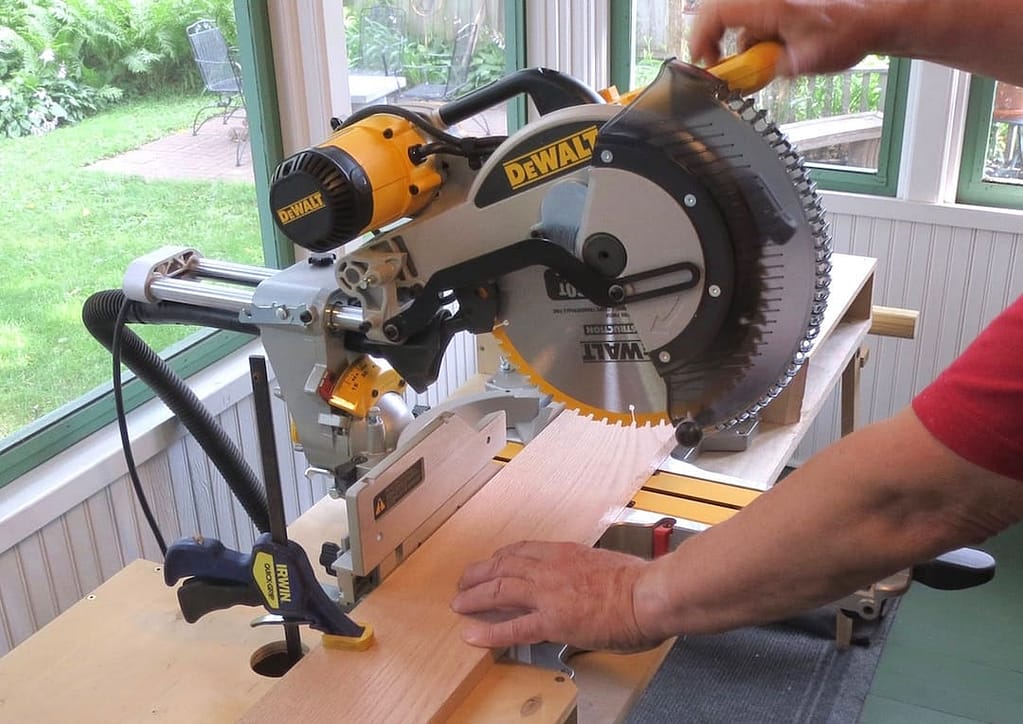
The DWS780 remains relevant because it combines cutting capacity with finish-minded control. It is a 12-inch double-bevel sliding compound miter saw, which means it can crosscut wider material, tilt both directions for bevel work, and handle angles that show up in real rooms. That range matters when flooring moves from a simple rectangle into hallways, closets, doorways, and irregular corners.
For wood flooring, the saw’s value is not limited to chopping planks. It helps shape the details around the floor: baseboard, shoe molding, thresholds, stair nosing, casing adjustments, and trim returns. Those are the places where a project either earns credibility or exposes shortcuts.
What This Saw Is Built To Do
The official DEWALT DWS780 Miter Saw page lists the kind of specifications that explain its long shelf life: a 12-inch blade, 3,800 rpm no-load speed, 49-degree bevel capacity in both directions, and a listed weight of 56 pounds. Those numbers point to a saw designed around capacity, power, and stability, not minimum weight.
The 15-amp motor is the kind of baseline I want when cutting hardwood flooring, oak transitions, stair treads, or thick trim stock. Flooring can involve long sessions of repeated cuts, and repeated cuts quickly reveal weak motors, dull blades, and flimsy fences. The DWS780 is built for work where consistency has real value and visible impact.
Its XPS cutline system is one of the more useful features for finish work. Instead of depending on a laser that may drift out of adjustment, the system casts a shadow from the blade onto the material. That shadow helps show the actual kerf, which gives the operator better clarity and confidence before the blade enters expensive material.
Key DWS780 Details For Flooring Work
A concise table helps separate useful specifications from marketing noise. Flooring installers need to know what the saw can cut, how it adjusts, and whether it supports repeatability under jobsite pressure.
| Feature | DWS780 Detail | Why It Matters |
|---|---|---|
| Saw type | 12-inch double-bevel sliding compound miter saw | Handles crosscuts, miters, bevels, trim, and wider boards |
| Motor | 15 amp | Supports repeated cuts through dense stock |
| No-load speed | 3,800 rpm | Helps produce clean cuts with the right blade |
| Bevel range | 49 degrees left and right | Useful for trim, stair parts, and compound angles |
| Miter range | 50 degrees left and 60 degrees right | Helps with angled rooms and custom returns |
| Listed weight | 56 pounds | Adds stability but affects portability |
| Blade size | 12 inches | Provides capacity beyond smaller saws |
The table tells the practical story. This is not a delicate bench tool for occasional picture-frame cuts. It is a jobsite saw built to manage width, repetition, and finish details with enough control and authority to satisfy demanding work.
Why Accurate End Cuts Matter
End cuts may sound basic, but flooring magnifies small errors. A slightly out-of-square cut can change the way a board sits against a wall, transition, stair edge, or adjacent row. One imperfect cut may disappear under trim; repeated imperfect cuts create visible risk and waste.
That is why I care about a saw that locks securely and cuts predictably. When the board is square to the fence and the blade path is visible, the installer can make decisions faster without guessing. That does not replace careful measuring, but it reduces the chance of turning a premium plank into scrap.
Wide-plank flooring makes this even more relevant. A saw with limited crosscut capacity may force the user to flip boards, finish cuts from the opposite side, or use another tool. Each extra step introduces potential error. The DWS780’s sliding format gives the operator more reach and fewer compromises.
Trim Cuts Are Where The DWS780 Earns Respect
A wood floor is judged by the field, but it is remembered by the edges. Baseboard, shoe molding, casing, and transition pieces frame the room, and any sloppy cut sits at eye level or foot level every day. Trim work demands patience and accuracy.
The double-bevel design helps because the saw head tilts both left and right. That can reduce the need to flip material during bevel cuts, especially when working through a room full of corners, returns, and small profile pieces. The less an installer has to reorient material, the less room there is for confusion.
The miter range also matters in older homes and remodels. Corners are not always 90 degrees, and angled walls rarely cooperate with ideal measurements. A capable miter saw does not magically fix bad framing, but it gives the installer room to respond with judgment instead of force.
Angle Cuts In Real Rooms
The cleanest flooring jobs often come from installers who respect the room more than the drawing. Fireplaces, bay windows, angled hallways, closets, and stair landings all create situations where a basic square cut is not enough. The DWS780 gives users a broader angle range for these moments, which supports better adaptation and planning.
Compound cuts can also appear when flooring meets trim details. Stair skirts, reducer returns, and certain molding profiles may require both miter and bevel adjustments. Having that capability on one saw keeps the workflow simpler and the cut station more useful.
I still favor test cuts whenever the visible finish is on the line. Scrap pieces, dry fits, and pencil marks save money because they catch mistakes before the final board is committed. The saw supplies the mechanical capacity; the installer supplies the strategy.
How It Fits Into A Full Flooring Setup
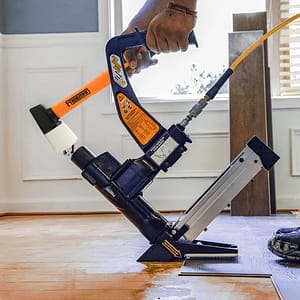
The DWS780 is strong, but it is not a complete flooring system by itself. A proper setup may include a table saw for long rips, an oscillating tool for tight notches, a jamb saw for door undercuts, a flooring nailer for solid hardwood, and dust control for indoor work. The miter saw handles crosscuts, trim, and angles; it should not be forced into every role.
This matters most when cutting the final row along a wall. Long rip cuts usually belong on a table saw because the workpiece needs fence support and controlled feed. For installers building a smarter cutting station, a portable table saw comparison gives useful context for pairing crosscut capacity with ripping efficiency.
Good workflow protects the material. Let the table saw manage long rips, the miter saw manage clean crosscuts and trim angles, and the oscillating tool handle detail cuts around vents, jambs, and tight spaces. When every tool has a clear role, the job gains order and fewer boards are wasted.
Blade Choice Changes The Result
A good saw can still disappoint with the wrong blade. Flooring and trim usually need a cleaner finish than framing lumber, especially when working with prefinished boards or visible moldings. A high-tooth-count finish blade can reduce tear-out and improve the edge quality and appearance.
Blade sharpness is equally important. A dull blade burns wood, chips finishes, and tempts the operator to push harder. That extra force can increase deflection and reduce cut accuracy. Treating blades as consumables is not wasteful; it protects craft.
The kerf decision still belongs to the user. The XPS shadow line helps identify the cut path, but the installer must know which side of the mark to keep. On a transition piece or exposed return, that tiny decision can determine whether the fit looks intentional or patched.
For buyers checking current package details, availability, or retail pricing, a listing for a 12-inch sliding compound miter saw can help frame the purchase against budget, timing, and accessories.
Dust Control And Jobsite Professionalism
Dust control is not just about cleanup. On flooring projects, sawdust can settle into seams, scratch finished surfaces, interfere with adhesives, and make the final walkthrough harder. A dust bag helps, but indoor work usually deserves a vacuum connection and a planned cut area.
No sliding miter saw captures everything. The head moves, the blade is exposed, and debris leaves the cut in more than one direction. The realistic goal is reduction, not perfection. Less dust improves visibility, protects the room, and gives the job a stronger sense of professionalism.
Clients notice the cutting station. They notice whether floors are protected, whether debris is controlled, and whether the crew treats the home with care. Clean habits create trust before anyone studies the final seam.
Portability Versus Stability
At 56 pounds, the DWS780 is portable in the jobsite sense, not lightweight in the casual sense. A solo installer can move it, but stairs, condos, tight remodels, and small vehicles make that weight noticeable. This is the price of capacity and durability.
The upside is a more planted feel when the saw is mounted properly. For repeated flooring and trim cuts, that steadiness is welcome. A lighter saw may be easier to carry, but it may not feel as settled when cutting wider stock or dense hardwood.
The decision depends on the work. A homeowner installing one small room may not need this much saw. A flooring installer, remodeler, or serious DIY user working across several rooms may find that the DWS780 saves enough time and material to justify the cost.
Setup Habits That Protect Accuracy
A miter saw should be checked, not blindly trusted. Fences can move, blades can wear, stands can shift, and jobsite travel can knock tools slightly out of alignment. The best users build quick setup checks into the day because accuracy is a habit, not a guarantee.
Material support matters as much as saw quality. Long flooring boards can sag if the ends are unsupported, and that movement can pull a cut out of square. A stable stand, extension supports, or roller support can protect both safety and consistency.
Clamping is another underrated habit. Short trim pieces and small returns can move as the blade enters the cut. Using the clamp is slower than grabbing the piece by hand, but it often produces better work and lowers the chance of injury.
Who Should Buy The DWS780
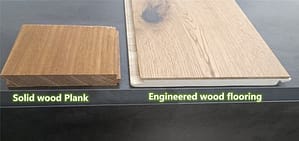
The DWS780 is best suited for flooring installers, remodelers, trim carpenters, and serious homeowners who need repeated accuracy across more than one project. It makes the most sense when flooring work includes hardwood, engineered wood, baseboard replacement, stair parts, reducers, and frequent angle cuts.
It is also a good fit for users who prefer corded consistency. Cordless miter saws have become impressive, but a corded cut station still has a simple appeal: no battery rotation, no charging schedule, and steady output all day. That predictability supports execution.
The wrong buyer is someone who only needs a saw for occasional light trim or one small floating-floor project. In that case, the DWS780 may be more tool than necessary. Buying well means matching the saw to the scope of the work.
What Could Be Better
The drawbacks are clear. The saw is large, the weight is real, and the sliding design needs space. Dust collection still needs help from a vacuum, and the price sits above entry-level options. These are not deal-breakers, but they are real trade-offs.
The bigger question is fit. A powerful saw can still be the wrong purchase if the user does not need its capacity. Serious flooring and trim work can justify the investment; occasional utility cuts may not. That is the practical tension behind the DWS780.
I would also budget for a quality blade, a sturdy stand, and a dust-control plan. Buying the saw without the supporting setup leaves performance on the table. The tool is strongest when the whole cutting station is treated as a system.
The Bottom Line For Flooring Pros And Serious DIYers
The DEWALT DWS780 Miter Saw remains compelling because it sits at the intersection of capacity, repeatability, and finish-minded accuracy. It can handle wide boards, trim angles, bevel work, and the practical messiness of real rooms without feeling like a delicate shop-only machine.
Its size, weight, and price deserve respect. Yet for users who need clean end cuts, reliable trim work, and a saw that can anchor a serious flooring setup, those trade-offs are easier to accept. The finished floor is judged by visible details, and visible details reward better tools and better habits.
For anyone planning a substantial wood flooring project, the key question is not whether the saw is popular. The key question is whether your work demands its level of precision, capacity, and repeatable control. When the answer is yes, the DEWALT DWS780 Miter Saw becomes a practical investment in cleaner cuts, stronger workflow, and a finished room that looks intentional.