Going to a hardware store used to be easy. You just picked a drill. Now, it’s like choosing a tech empire with a battery plan that’s hard to share.
Milwaukee, DeWalt, Makita, Ryobi are all calling out numbers. 18V! 20V! 40V! It’s a voltage comparison battle, and the marketing is thick. But, is a DeWalt 20V MAX drill really more powerful than a Milwaukee M18? Or is Makita’s 18V X2 system just as good?
This isn’t just about numbers. It’s a fight against marketing nonsense. The real power comes from the motor, electronics, and how it feels in your hands.
We’re going to cut through the marketing to find what really counts. Is picking the right cordless power tool brand about the highest voltage or the best ecosystem? Let’s discover.
Understanding Voltage vs Actual Power Output
Let’s uncover the truth behind cordless power ratings. Imagine buying a car said to be “300 horsepower” but it’s only true for the first five seconds. This is similar to tool marketing, where the promise and reality often don’t match.
The DeWalt 20V MAX battery is a prime example. It’s labeled as “20V,” making it seem better than “18V” systems. But, it’s actually a 5-cell pack with a nominal voltage of 18.5 volts. The “20V” is just a peak, like a politician’s promise.
In reality, it works like a standard Milwaukee M18 battery. The difference is all marketing.
So, what’s important if the voltage comparison is misleading? Actual power output, measured in watts. The formula is simple: Power (Watts) = Voltage (Volts) x Current (Amps).
A well-made 18V tool can actually deliver more power than a 20V one. The label shows the maximum, but it’s the current that matters.
Now, it’s time to do some detective work. Stop looking at voltage like a sports score. Start asking about:
- The Battery Cells: Are they high-discharge types (like the LG HB4 cells found in top-tier packs) that can deliver massive current without breaking a sweat?
- The Motor: Is it an efficient brushless design (like Milwaukee’s POWERSTATE) that converts electrical watts into mechanical torque with minimal waste?
- The Electronics: How smart is the tool’s internal circuitry at managing power flow and preventing thermal shutdown?
The real battle isn’t 18V vs. 20V. It’s about total system efficiency. The voltage is just the start. The current, cells, and motor are what really matter when things get tough.
Understanding Cordless Power Ratings
When it comes to cordless tools, understanding power ratings is key to making informed decisions. Power ratings are a measure of how much energy a tool can deliver, and they play a significant role in determining tool performance. In this section, we will explore the different types of power ratings and how they impact tool performance.
Types of Power Ratings
There are several types of power ratings that you may come across when evaluating cordless tools. These include:
- Wattage: Wattage is a measure of the tool’s power output. Higher wattage tools generally have more power and can handle more demanding tasks.
- Volts: Volts measure the voltage of the tool’s battery. Higher voltage batteries typically provide more power and longer runtime.
- Amps: Amps measure the current flow of the tool. Higher amp tools generally have more power and can handle more demanding tasks.
It’s important to note that power ratings can vary depending on the specific tool and manufacturer. Different tools may have different power ratings, even if they are from the same brand.
Impact on Tool Performance
The power rating of a cordless tool has a significant impact on its performance. Higher power ratings generally result in faster cutting, drilling, and other tasks. Tools with higher power ratings can handle more demanding tasks and provide better results.
When evaluating cordless tools, it’s important to consider the specific power rating that is relevant to your needs. For example, if you need a tool for heavy-duty tasks, a higher wattage or amp tool may be more suitable. On the other hand, if you need a tool for lighter tasks, a lower wattage or amp tool may be sufficient.
By understanding cordless power ratings and their impact on tool performance, you can make informed decisions when selecting cordless tools for your projects. Remember to consider your specific needs and the tasks you will be performing to ensure you choose the right tool with the appropriate power rating.
Understanding the Basics of Battery Platforms
When we talk about battery platforms, we’re discussing the foundation of how batteries work. It’s all about the chemistry and physics that make them tick. Let’s dive into the basics to get a better grasp of what makes a battery platform tick.
Chemical Reactions and Energy Storage
Batteries store energy through chemical reactions. These reactions involve the movement of ions and electrons, which is what powers our devices. The type of chemical reaction determines the battery’s voltage and capacity. It’s like a tiny factory inside the battery, working hard to store energy for us.
How Voltage and Capacity Relate to Performance
The voltage of a battery determines how much energy it can provide at a time. Think of it like the battery’s strength. The capacity, on the other hand, is how much energy it can store overall. It’s like the battery’s endurance. Together, voltage and capacity determine how well a battery performs.
Comparing Different Battery Types
There are many types of batteries out there, each with its own strengths and weaknesses. Some are better suited for high-drain devices, while others are more suited for low-drain applications. Let’s take a look at some common battery types:
| Battery Type | Voltage | Capacity | Common Uses |
|---|---|---|---|
| Alkaline | 1.5V | Low | Low-drain devices like flashlights and remote controls |
| Lithium-Ion | 3.7V | High | High-drain devices like smartphones and laptops |
| Nickel-Cadmium | 1.2V | Medium | Power tools and cordless devices |
As you can see, each battery type has its own characteristics. The voltage and capacity of a battery determine its performance and suitability for different applications.
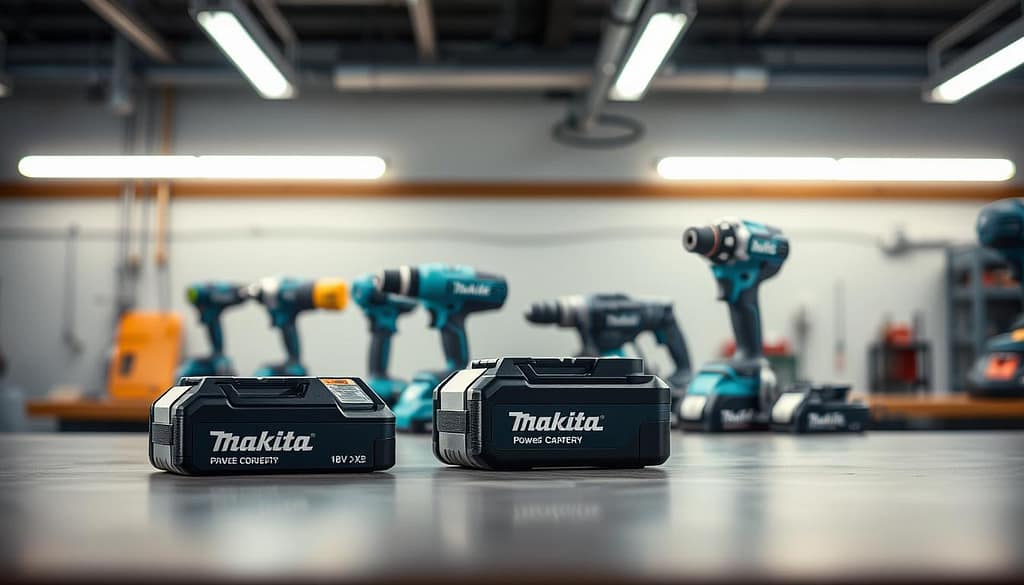
Now that we’ve covered the basics of battery platforms, let’s move on to the next section, where we’ll explore the different types of battery platforms available.
Understanding Tool Performance Metrics
When it comes to cordless power tools, understanding tool performance metrics is key. These metrics help you make informed decisions when choosing the right tool for your needs. Let’s take a closer look at some of the most important metrics to consider.
1. Torque
Torque refers to the rotational force that a tool can generate. It’s a measure of how much power a tool can deliver. Higher torque means more power and better performance, making it ideal for heavy-duty tasks.
2. Speed
Speed is another important metric to consider. It measures how fast a tool can operate. Faster speeds are often preferred for tasks that require precision and control, such as drilling or sanding.
3. Battery Life
Battery life is a critical factor to consider, as it determines how long you can use your tool without needing to recharge. Look for tools with long battery life to ensure uninterrupted performance.
4. Weight
Weight is an important consideration, as it affects the tool’s comfort and maneuverability. Lighter tools are easier to handle and reduce fatigue during extended use.
5. Ergonomics
Ergonomics refers to the design of the tool, focusing on comfort and usability. Look for tools with ergonomic handles and balanced design to reduce strain and improve control.
6. Noise Level
Noise level is an important consideration, as it affects the overall user experience. Look for tools with lower noise levels to minimize disturbance and improve comfort during use.
7. Safety Features
Safety features are essential to ensure safe and accident-free operation. Look for tools with built-in safety features, such as overload protection and anti-vibration technology, to enhance your overall safety.
By considering these tool performance metrics, you can make informed decisions when choosing cordless power tools. Remember to evaluate your specific needs and preferences to find the tool that offers the best performance and value for your money.
| Tool Performance Metrics | Importance |
|---|---|
| Torque | High |
| Speed | High |
| Battery Life | High |
| Weight | Medium |
| Ergonomics | Medium |
| Noise Level | Medium |
| Safety Features | High |
60V Systems: FlexVolt vs MAX Systems
The idea behind 60V systems is simple: stop apologizing for being cordless and start replacing everything with cords or gas tanks. This isn’t just an upgrade; it’s a big change in what we expect from battery power. When you enter this world, you’re not just comparing tools. You’re looking at a battery platform analysis that challenges the cordless tool industry’s basics.
DeWalt’s FlexVolt system is the game-changer. It’s a battery that can change its output based on the tool it’s with, switching between 20V and 60V. This isn’t just for convenience; it’s a real engineering feat. The downside is in size, weight, and cost. These batteries are big power bricks that demand respect.
On the other hand, Milwaukee has its own solution with MX Fuel, designed for the biggest cordless tools. The big question is: Is it better to have a few super-powerful tools on a single, high-voltage platform? Or is the flexibility of a broader 18V/20V system, where you might hit a performance limit, the smarter choice?
Let’s be clear. For some tasks, 60V isn’t too much; it’s the minimum. Think about:
- Table saws cutting through dense hardwoods.
- Large-diameter hole hawgs boring through structural beams.
- Demolition hammers breaking up concrete.
In these cases, 60V power isn’t a luxury; it’s essential. It’s like buying a pickup truck: most people don’t need it every day, but when they do, nothing else will do.
The table below shows the main differences between the two leading high-voltage platform ideas.
| Feature | DeWalt FlexVolt System | Competitor MAX Systems |
|---|---|---|
| Operating Voltage | Switches between 20V and 60V | Dedicated 60V (or higher) output |
| Battery Technology | Intelligent cell switching | Optimized high-discharge cells |
| Tool Compatibility | Massive 20V tool library + 60V tools | Limited to high-voltage platform tools |
| Peak Power Output | Extremely high (tool dependent) | Consistently very high |
| Price Point | Premium investment | Very high investment |
This battery platform analysis shows a strategic choice. The FlexVolt system offers a bridge, letting you use your 20V tools while getting extreme power. The MAX systems, on the other hand, are built for maximum performance, with no need to go back to older tools.
So, which path is better? The answer depends on what you’re building. If you’re a contractor needing a concrete breaker all day, the MAX system might be your best choice. If you’re a serious DIYer wanting one battery for everything, FlexVolt could be your smart move.
The 60V conversation is about changing what we expect. It’s about making cordless tools the preferred choice over corded and gas-powered ones. It’s a power play, in every sense.
Amp-Hour Ratings and Real-World Runtime
Let’s take a closer look at Amp-Hour ratings, often seen as the “MPG” of cordless tools. They seem useful but fall short in real-world jobs. A 5.0Ah battery doesn’t always last twice as long as a 2.5Ah one. It only promises more runtime if the work is the same and the power use is low.
But, when you’re driving lag bolts into a 6×6, things change. The high current needed for this task makes the Amp-Hour rating less reliable. This is why understanding the difference between capacity and power is key in any battery platform analysis.
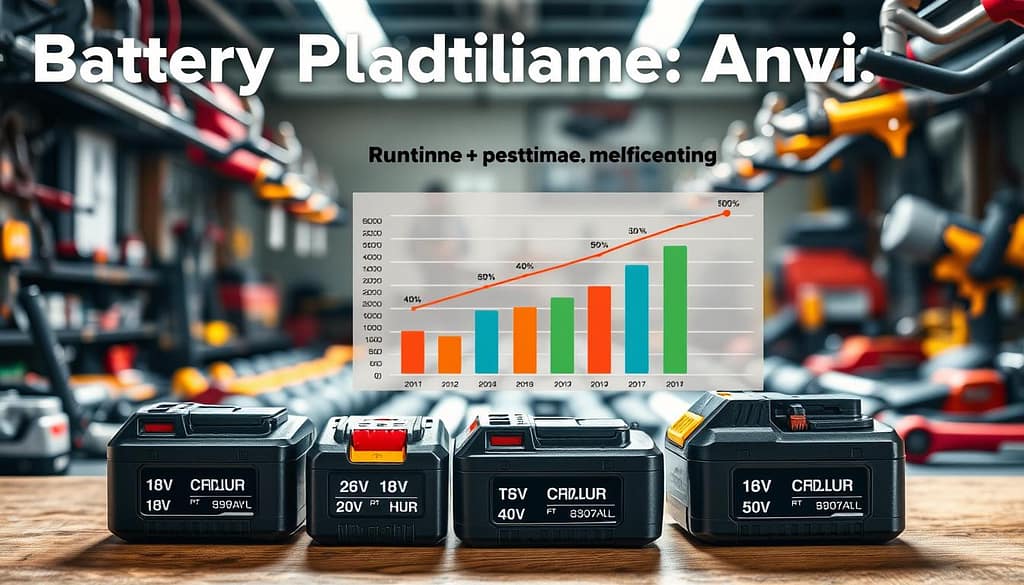
Think of it like this: capacity is how much fuel you have. The discharge rate is how fast you can use it. Even with a big tank, a small fuel line means your tool might not get enough energy.
On the other hand, a small tank with a wide fuel line can give you a lot of power, but only for a short time.
Our data shows something interesting. A DeWalt 20V MAX 3.0Ah battery pack uses LG HB4 cells with a 1500mAh capacity. The real power comes from their 30-amp discharge rate. These cells are made for quick, powerful bursts, not for long, slow use.
This means a small 2.0Ah “high-output” battery might actually last longer under heavy loads than a bigger 4.0Ah battery with old cells. This shows that bigger Ah doesn’t always mean better. The type of cell and how it’s managed are more important for your tool performance metrics.
To cut through the marketing, look for specific technology names. Brands use these to signal advanced cell chemistry and battery management:
- DeWalt PowerStack: Uses pouch cells for compact size and ultra-high discharge.
- Milwaukee REDLITHIUM FORGE: Features high-density cells and advanced electronics for sustained power under load.
- Makita XGT 40V: Employs a communication chip to optimize output and protect the battery.
These features matter more than just the Amp-Hour rating. They show the difference between raw materials and actual engineering.
To see the difference, consider this comparison. It shows how two batteries with similar Amp-Hour ratings can have very different abilities based on their technology and design.
| Battery Model | Advertised Capacity | Key Cell Technology | Primary Design Purpose | Best For |
|---|---|---|---|---|
| Standard 5.0Ah Pack (Legacy) | 5.0 Ah | Conventional 18650 Cells | Maximum Runtime at Moderate Loads | Drilling, Light Fastening |
| High-Output 3.0Ah Pack (Modern) | 3.0 Ah | High-Discharge 21700 or Pouch Cells | Maximum Power & Sustained Performance | Impact Wrenches, Sawing, Heavy-Duty Fastening |
| Compact 2.0Ah “Power” Pack | 2.0 Ah | Ultra-High Discharge Cells | Peak Power in Small Form Factor | Overhead Work, Tight Spaces, Maximum Torque |
The table isn’t about which is better. It’s about finding the right fit. Choosing the right battery is key in your battery platform analysis. It decides if your tool will perform well or struggle when needed most. Don’t just look at Amp-Hours. Look at what’s behind them.
Cross-Platform Battery Compatibility
The dream of a universal battery is like world peace in the cordless world. It’s a dream of shared power. But, we live in a world where each tool brand has its own battery system. Your battery is like a loyalty card.
Bosch once seemed like a hero with AmpShare. It aimed to make all tools work with Bosch’s 18V battery. This idea was huge. But, it’s now mostly forgotten.
Skil took a different path. Their MultiVolt tools work with either a 12V or 20V battery. It’s like a family system, not open to everyone. This makes users happy without hurting the business.
Tools and batteries are like razors and blades. The real money is in keeping you in one system. Once you buy into a brand, switching is hard. It’s all about keeping you loyal.
Let’s look at how power sharing works, or doesn’t work.
| Compatibility Approach | Brand Example | How It Works | User Reality | Business Incentive |
|---|---|---|---|---|
| Open Platform (The Ideal) | Bosch AmpShare | Allows other brands to use Bosch’s 18V battery design. | Mostly theoretical. Few third-party tools exist. | Low. Other brands cede battery profit. |
| Internal Voltage Flexibility | Skil MultiVolt | One Skil tool can use Skil 12V or 20V batteries. | Useful for reducing battery duplicates within one brand. | High. Keeps user spending within the Skil ecosystem. |
| Adapter-Based (Gray Market) | Third-Party Adapters | Physical adapters that let, for example, a DeWalt battery power a Milwaukee tool. | Risky. Voids warranties, potentially damages tools. | None for OEMs. Represents a loss of control. |
| Walled Garden (The Standard) | Milwaukee, DeWalt, Makita, etc. | Batteries and tools only work within their own branded platform. | You are all-in on one brand’s system. | Very High. Creates a captive customer for decades. |
When you buy a battery platform analysis, you’re making a big choice. It’s not just a drill; it’s a long-term commitment. Pick wisely, because changing brands is costly. It leaves you with useless tools.
The rare exceptions, like AmpShare, show the value of battery systems. Your cordless power ratings mean little if the battery can’t work with others. Compatibility is a business choice, and for now, brands are happy to keep things inside.
Understanding the Basics of Voltage
Voltage is a fundamental concept in the world of electricity. It is a measure of the electric field’s strength between two points. This electric field is what drives electric current through conductors like wires.
When you think about voltage, it’s important to understand that it’s not the same as electric current. While electric current is the flow of electrons, voltage is the force that pushes those electrons to move. Think of voltage as the pressure in a water hose, and electric current as the flow of water.
There are different types of voltage, including AC (alternating current) and DC (direct current). AC voltage changes direction periodically, while DC voltage flows in one direction only. The type of voltage used depends on the specific application and the device it powers.
When comparing voltage levels, it’s essential to consider the tool performance metrics. Different tools require different voltage levels to function properly. For example, a drill may require a higher voltage to generate enough power for drilling, while a small LED light may only need a low voltage to operate.
Understanding voltage is critical for working with electrical systems and tools. By grasping the basics of voltage, you can make informed decisions when selecting tools and ensuring they operate within their optimal voltage range.
Key Takeaways:
- Voltage is a measure of the electric field’s strength between two points.
- Voltage is not the same as electric current; it’s the force that drives the flow of electrons.
- There are different types of voltage, including AC and DC.
- Tool performance metrics should be considered when comparing voltage levels.
- Understanding voltage is essential for working with electrical systems and tools.
Future Voltage Platform Predictions
So, where does this arms race go from here? The future of cordless power isn’t just about volts. It’s about the chemistry of batteries.
Forget the voltage wars. The next frontier is smarter batteries and more energy in less space. Milwaukee’s FORGE and DeWalt’s PowerStack are just the start. These designs pack more power into smaller sizes. It’s a smarter battery platform analysis that focuses on science over hype.
Think about the data. A recent industry forecast says tabless cells and fast charging are key. Kress mentions a battery with 3000 life cycles. That’s not just a tool; it’s a legacy.
Your next cordless power ratings debate won’t be about 18V versus 20V. It’ll be about batteries that charge in five minutes and last forever. Pro users will want this tech first. DIY brands will follow later.
The winner will solve a simple equation. It will balance power, all-day runtime, weight, and cost. The brand that gets this right wins the market. The others will just make noise.