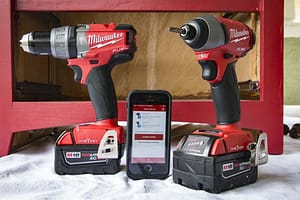
We’ve all been there. You’re in the middle of a project, and your cordless drill stops working. The battery, that little cylinder of power, has failed. For decades, lithium-ion batteries have been the top choice for cordless tools.
They’re like the Led Zeppelin of energy storage: classic, reliable, and the base of everything else. But now, a new generation of power is ready to take the stage.
The next big thing in power is coming. We’re leaving lithium-ion behind for new technologies. Sodium-ion batteries and solid-state batteries are leading the charge.
Sodium-ion batteries use cheaper sodium instead of expensive lithium. Solid-state batteries aim to improve safety and hold more energy. This isn’t just a tech update; it’s a must-have change.
The world needs more energy storage, and lithium-ion can’t keep up. Samsung’s solid-state oxide batteries and other new ideas are the future. They’re not just better; they’re the next main event.
Why chemistry changes matter to pros
While your old lithium-ion packs are working hard, pros are getting a new tool. This new tool doesn’t need expensive fuel. It’s a big deal for those who’ve had tools fail in the cold or run out of charge too soon.
This change from lithium-ion to sodium-ion is more than just an upgrade. It’s like switching from high-strung sports cars to dependable delivery vans. The sports car (lithium-ion) is fast but expensive and doesn’t like the cold. The delivery van (sodium-ion) is steady, works in any weather, and saves money.
The main change is moving from high power to lasting performance. The table below shows how this affects a pro’s work.
| Feature | Lithium-Ion (The Hot Rod) | Sodium-Ion (The Fleet Vehicle) |
|---|---|---|
| Cold-Weather Performance | Performance plummets; can be dangerous to charge below freezing. | Maintains capacity and performance in sub-zero temps. |
| Cycle Life (Durability) | ~500-1000 cycles before significant degradation. | 2,000+ cycles with minimal capacity loss; built for the long haul. |
| Material & Cost | Relies on lithium, cobalt, nickel. Costly, volatile supply chain. | Uses abundant sodium (table salt). More stable supply, lower, more predictable cost. |
| Environmental & Ethical Profile | Often linked to problematic mining for lithium and cobalt. | Uses abundant, non-conflict materials; simpler, more ethical supply chain. |
| Ideal Use Case | High-power, lightweight applications where cost is secondary (e.g., premium power tools, EVs). | Stationary storage, commercial power tools, backup systems, cold-climate applications. |
For pros, it’s not just about the numbers. It’s about keeping the job going. Sodium-ion batteries handle the cold better than lithium-ion. They last longer and work more reliably, making them a valuable asset.
This isn’t just a new battery; it’s a reliable partner. It works in the cold, doesn’t take breaks, and gets the job done. The chemistry in your battery is now about finishing the job, not just starting it.
Solid‑state basics: energy density, safety, charge speeds
Let’s get to the point. A standard lithium-ion battery is like a bowl of soup. The liquid inside can leak and get too hot, leading to big problems. A solid-state battery, on the other hand, is like a cracker. It uses a solid electrolyte instead of liquid, solving many issues at once.
This change from liquid to solid is a big deal. It makes the battery more powerful, safer, and charges faster. Imagine waiting for your phone to charge taking only a few minutes, not hours.
Why is this so exciting? First, energy density. Solid electrolytes let you pack more power in the same space. Samsung’s new battery can go up to 600 miles on a single charge. That’s a huge leap forward.
Then, safety. The liquid in today’s batteries can catch fire easily. But solid electrolytes are much safer. They don’t leak and are less likely to cause fires.
Lastly, charge speed. Samsung’s battery can charge in just 9 minutes. That’s incredibly fast. The solid electrolyte can handle quick charging without the risks of today’s tech.
Here’s why this is more than just a lab experiment. Switching to a solid electrolyte changes everything:
| Feature | Traditional Lithium-Ion (Liquid Electrolyte) | Solid-State Battery |
|---|---|---|
| Electrolyte | Liquid/Gel (Flammable) | Solid Ceramic/Polymer (Non-flammable) |
| Energy Density | Good, but plateauing | Very High (2-3x potentially) |
| Safety | Thermal runaway risk | Highly stable, minimal fire risk |
| Charge Time | 30+ minutes (fast charge) | Potential for |
| Lifespan | Degrades with cycles | Potentially much longer |
So, when we talk about high-output cells, we’re not just talking about a bit more power. We’re talking about a complete redesign. It tackles the big three: more energy, more safety, and less waiting. The breakthroughs by Samsung and TDK are huge steps forward. They’re moving us from the old liquid electrolyte era to a new solid-state one fast.
Sodium-ion: cost, cold-weather performance, cycle life
The tech world is always looking for the next big thing. But there’s a quiet hero in the background. The sodium-ion battery is like the Nordic noir detective of the battery world. It doesn’t get the flashy headlines, but it’s reliable, even in the cold.

Lithium-ion batteries might struggle in the cold. But sodium-ion batteries stay strong. This is a big deal for people who work outside, no matter the weather. The sodium-ion cell works well in the cold, without needing to warm up first.
The Cold, Hard Data on Cold-Weather Performance
Lithium-ion batteries slow down in the cold. But sodium-ion batteries keep going strong. This means your tools work better in freezing temperatures.
Cost: The Silent Killer of Total Cost of Ownership
Let’s talk about money. Sodium-ion batteries are made from cheap materials. Lithium, cobalt, and nickel are expensive. This makes sodium-ion batteries a better choice for saving money.
But the real savings come over time. Cycle life is a big part of this.
- Cycle Life: Sodium-ion cells last a long time. They can go through 5,000 to 10,000 full charge-discharge cycles with little wear. This is because sodium chemistry is more stable than lithium.
- Thermal Management: Sodium-ion batteries are also safer in heat. They don’t overcharge easily. This means you can use simpler cooling systems, saving money and weight.
The table below shows how sodium-ion batteries compare to lithium-ion for professionals:
| Feature | Typical Li-ion (for reference) | Sodium-ion (for comparison) |
|---|---|---|
| Cold Weather Performance | Severely degraded performance below freezing | Maintains high capacity & power in sub-zero temps |
| Thermal Runaway Risk | Higher risk; requires complex battery management | Far more stable; lower risk, simpler cooling |
| Cycle Life (to 80% capacity) | ~500-1500 cycles (varies by chemistry) | 5,000 – 10,000+ cycles |
| Key Cost Driver | Expensive raw materials (Li, Co, Ni) | Abundant, low-cost raw materials (Na, Al, Fe) |
Why This Matters Off the Spec Sheet
For contractors, it’s not just about specs. It’s about getting the job done. A battery that works in the cold means you can start work right away. A battery that lasts 10,000 cycles is a long-term investment.
This means you can rely on your tools, no matter the weather. It’s about durability and reliability. For those who can’t afford to waste time, it’s a no-brainer.
Pack design: cooling paths, BMS intelligence, form factors
Think of a battery pack as the heart of a high-performance vehicle. The cells are like the engine’s cylinders. But it’s the cooling, brain, and chassis that turn it into a powerhouse. From simple “brick-on-a-stick” tools to today’s advanced units, the pack has evolved.
It’s now a thermal management system, a smart computing node, and a form factor all in one. This integration has transformed the pack from a simple housing to a complex system.
Heat is a major concern with fast charging. It can damage the battery. Modern packs use advanced cooling systems to manage this heat.
These systems are like a radiator and coolant system for a high-performance engine. They keep the pack cool, even during intense charging.
The Battery Management System (BMS) is the pack’s brain. A good BMS is like a Formula 1 pit crew. It monitors each cell’s health and balances the charge.
For fast charging, it manages the heat. It can slow down charging if a cell gets too hot. This ensures safe and efficient charging.
The pack’s design reflects its intelligence. It’s no longer just a “brick-on-a-stick.” Modern packs fit the tool or vehicle’s shape, improving cooling and safety.
A well-designed pack is ergonomic and efficient. It sheds heat well, whether in a wrench or an electric pressure washer. This design is key to its performance.
In short, a battery pack is like a turbocharged engine with a computer. It needs cooling and fuel management to perform well. This is why we can now charge tools quickly and safely.
Real-world gains: torque consistency, runtime, duty cycles
Most tool specs are just marketing talk. But when a battery keeps the same power all day, that’s real change. The move from old lithium-ion to new solid-state and sodium-ion batteries is huge. It’s not just small tweaks; it’s a big shift in what tools can do all day.
Imagine a battery that never runs out during a critical task. The torque consistency of solid-state batteries is key. They keep their power longer, unlike old batteries that lose it under load. This means you can drive 200 screws with the same power from start to finish.
This leads to better runtime and duty cycles. A battery that keeps its power means you don’t have to stop work to swap batteries. A solid-state battery lasts longer and gives you consistent power. It’s like switching from a weak hose to a powerful pressure washer.
Let’s look at some numbers. A 600-mile range in an EV is like a tool that lasts all day. It could power a mower for a whole day or run lights and a radio for 10 hours. This is a big change in what tools can do.
The table below shows why this isn’t just hype. It’s a big leap from “cordless convenience” to “cordless confidence.”
| Performance Metric | Traditional Li-ion | Solid-State / Sodium-Ion | Real-World Impact |
|---|---|---|---|
| Power Delivery | Gradual drop-off under load | Flat, consistent output | No bogging down under heavy load |
| Runtime at Peak Load | Declines with charge | Sustained through 80%+ of charge | Longer work sessions, fewer battery swaps |
| Thermal Performance | Can overheat, throttles power | Runs cooler, stable in heat | Safe, consistent power in all conditions |
| Duty Cycle | Needs cooldown periods | Handles continuous heavy use | Ideal for high-demand, back-to-back tasks |
This isn’t just about more power; it’s about steady, reliable power. A solid-state battery works like it’s plugged into the wall. For professionals, this means finishing jobs on time, not leaving them half-done. The battery is now the reliable workhorse that keeps up with the pro’s pace.
So, when we talk about real-world gains, we’re talking about a tool that doesn’t give up when it gets tough. It’s the difference between a battery that just stores energy and one made for the real world. Moving to these new chemistries is a big leap, not just a small step. Once you feel the difference, you can’t go back.
Charging ecosystems: multi‑bay logic, 120V vs 240V fast charge
Charging isn’t simple anymore. We’re moving to a smart power system, where batteries are managed like Swiss watches. This isn’t just about filling up batteries like disposable items. We’ve moved from just topping off to managing power with a symphony of precision. For professionals, downtime is a big loss of profit. The focus has shifted from battery chemistry to power logistics.
Old chargers are gone. Now, we need multi-bay charging stations for our power needs. These aren’t just power strips but control centers. They talk to sodium-ion batteries and future ones, managing charge and temperature with smart logic.

Smart chargers for sodium-ion batteries do more than just charge. They learn your work flow and charge packs for the next job. They can even slow-charge overnight or fast-charge during breaks. It’s like the difference between a gas station and a Formula 1 pit crew.
Voltage is key in charging. A 120V outlet is slow, like filling a pool with a hose. For sodium-ion batteries, it’s a slow process. But 240V is fast, like a firehose. It can recharge batteries in minutes, not hours.
Choosing between 120V and 240V is strategic. 120V is slow, like a single-lane road. 240V is fast, like a highway. Your charging setup is now a key part of your work flow. You wouldn’t use a garden hose to fight a fire, so why use slow charging for sodium-ion batteries?
A smart, multi-bay system with 240V is amazing. It manages a fleet of batteries, checking their health and balancing charges. It turns batteries and cords into a logistical asset. You’re not just storing power; you’re deploying it with precision.
In the end, the best sodium-ion battery needs a smart charger. We need a command center, not just an outlet. The future is about smart power management, not just holding more power.
Transition risks: compatibility, warranties, transport compliance
Switching battery chemistries is like changing your car engine. You can’t just put diesel in a gas tank and expect it to work. When you switch to high-output cells, it’s not just about power. It’s about how everything works together.
First off, there’s the issue of backward compatibility. The new high-output cells might fit your old tools, but they might not work together. Your old charger might not talk to the new battery’s BMS. This is like trying to play a 4K Blu-ray on a VCR—it just won’t work.
Then, there’s the warranty. Manufacturers are careful about using high-output cells in old tools. The power can stress older parts, and your warranty might not cover it. It’s a catch-22: you want the new power, but using it might void your warranty.
| Risk Area | Potential Headache | Proactive Strategy | Tool Brand Compatibility Check |
|---|---|---|---|
| Compatibility | Old charger won’t recognize new battery pack | Invest in a smart, multi-chemistry charger | Check manufacturer’s cross-compatibility charts |
| Warranty | Voided tool warranty with non-OEM batteries | Document all battery purchases and tool serial numbers | Only use manufacturer-approved packs for critical tools |
| Transport | Airline/ground shipping restrictions | Pre-declare high-wattage battery shipments | Use UN 38.3 certified shipping boxes for cells |
| Performance | New high-output cells may overheat old tools | Gradual power testing in controlled environment | Monitor tool temperature during initial use |
Shipping high-output cells is different from sending a toaster. The FAA and IATA have strict rules for lithium-ion cells on planes. You need UN 38.3 certification and follow watt-hour ratings closely. One wrong label can stop your shipment.
Here’s a key tip: watch the thermal management of new high-output cells in old tools. That 20-year-old saw wasn’t made for the heat from 21700 cells. The BMS might handle it, but the tool’s parts weren’t designed for that.
So, what’s the best approach? Treat it like adopting a rescue animal. Test the new high-output cells in a safe place first. Keep old batteries for tools that need them. And always read the warranty carefully. The pros who succeed are those who understand the fine print before they start.
Buying guide: when to switch and what to demo
Have you thought about upgrading your power tool? It’s not just a simple buy. Choosing between solid-state and sodium-ion batteries is a big decision. It depends on how you use your tools.
Don’t get caught up in marketing. The best battery is the one that fits your work style. It’s about finding the right tool for your job.
Think about your work when choosing a battery. Are you a carpenter or a landscaper? The right battery depends on your job.
When to Make the Switch: Your Application Decides
Buy a solution, not just a battery. Here’s a quick guide to help you choose:
| Your Primary Use Case | Recommended Chemistry | Why It Wins |
|---|---|---|
| High-Drain, Continuous Use (e.g., demolition, heavy drilling) | Solid-State (when available) | Superior energy density and stability under heavy load, meaning consistent power during a 6-hour framing session. |
| High-Cycle, All-Weather Outdoor Work (e.g., landscaping, winter construction) | Sodium-Ion | Unmatched cold-weather performance and a cycle life that laughs at the cold. Your batteries won’t quit when a snowstorm rolls in. |
| General Contracting Mix (Drilling, Fastening, Cutting) | Advanced Lithium-Ion | The current workhorse. Proven, widely compatible, and the safe, cost-effective choice for most pros. |
The Demo Checklist: Don’t Just Look, Feel It
Test a battery before you buy it. A demo is essential. Here’s what to check:
- Feel the Power Curve: A new battery should feel different. Does it maintain power when drilling into a dense joist? Solid-state and sodium-ion batteries offer consistent power.
- Heft the Pack: New batteries can change how they feel in your hand. A balanced pack reduces fatigue. Hold it to see if it feels right.
- Stress the Thermal Management: This is key. Run the tool hard to see how it handles heat. A good pack stays cool and keeps working. Thermal management is vital for your battery’s life and your work.
- Test in the Cold: If you work outside, test in the cold. See if a sodium-ion battery works well in freezing temperatures. It’s a big difference.
Not everyone needs the latest battery. But for those who work in extreme weather, it’s a game-changer. The right upgrade is one that works for you, all day, every day.
When demoing, pay attention to how it feels and handles heat. Choose a battery that matches your work and environment. That’s how you find the perfect tool.
Conclusion
The single battery chemistry era is over. Now, we have a variety of options for professional-grade power. It’s like building an orchestra, not just one solo artist.
Lithium-ion is the lead guitar, solid-state is the bass, and sodium-ion is the rhythm section. Each one brings something special to the table.
Lithium-ion is great for high energy needs. But, new chemistries like solid-state and sodium-ion are changing the game. Solid-state offers safety and performance, while sodium-ion is durable and cost-effective for certain tasks.
For professionals, specs have changed. It’s not just about voltage and amp-hours anymore. It’s about fast charging, cold-weather performance, and cycle life.
The whole ecosystem, from fast charging docks to BMS intelligence, matters. It’s about choosing the right chemistry for each job.
The future is about having the right tools for the job. It’s about making your whole operation work better together.