Remember when “smart” meant your phone could send emails? Now, even toothbrushes and drills claim to have artificial intelligence. We’ve reached a point where buzzwords are everywhere.
We’re diving into what “smart” really means in today’s power tools. We’ll look at the Robbox xDrill, with its 21V claim and unclear torque specs. Our goal is to find real innovation among the digital hype.
Let’s face it: if your drill has a touchscreen but can’t tell you its max torque, something’s off. It seems like marketing is playing buzzword bingo with our tools.
Which New Tools Use Smart Tech
The market is full of gadgets that promise to change your life. But which ones are worth your time?
The Robbox xDrill is one example. It uses laser technology for precise measurements and connects to your phone via Bluetooth. It also has auto-depth control and a theft app. Sounds fancy, but is it really needed?

In real-world settings, AI is making a difference. It predicts when equipment will fail and manages inventory automatically. These tech features solve real problems, not just create new ones.
The real question is, does new tech add value or just look cool? Is a drill with laser guidance really innovative, or is it just a fancy feature?
Let’s look at how well these tech features solve problems:
| Tool Type | Problem-Solving Value | Implementation Cost | Learning Curve | ROI (Return on Investment) Potencial |
|---|---|---|---|---|
| Consumer Smart Tools (xDrill) | Moderate – solves precision issues | High – 300% more than standard | Steep – app needed | Low – small efficiency gains |
| Industrial AI Systems | High – prevents downtime | Significant but worth it | Moderate – training needed | Substantial – saves thousands an hour |
| Inventory Management AI | Critical – prevents stockouts | Varies by scale | Low – automated | Excellent – stops production halts |
Many smart tools for consumers solve minor problems. They add complexity like software updates and connectivity issues.
Industrial tools, on the other hand, prevent big failures. They use AI to predict when to repair equipment. These tools don’t just add features; they change how things work.
Before buying every new gadget, ask yourself: Is this solving a real problem or just making things shiny? The best tech features often work behind the scenes, preventing disasters, not just making pretty pictures.
Demoing App Integration
The idea of app-connected power tools seems like something from a sci-fi movie. But when you’re just trying to hang a picture frame, it feels real. Robbox’s xDrill is a prime example of smart power tools with more features than your average smartphone.

The xDrill’s app has four main features. They’re supposed to make the tool worth its digital price:
- Measurement saving (because remembering numbers is hard)
- Tool finding feature (for when you leave your drill in the fridge again)
- Lock capabilities (security theater for your power tools)
- Usage data analytics (documenting your clumsiness with drop counters)
Now, let’s think about this with a business mindset. Does tracking how many times you drop your drill solve a real problem? Or is it just for data’s sake?
The big question is: what if the company behind your smart drill goes out of business? You’re left with a useless paperweight that needs special software. This isn’t innovation – it’s planned obsolescence in disguise.
Real value in tool technology should improve how we work without making us dependent on software. The best tool is one that doesn’t need updates to do its job. When integrating AI into production, we should focus on solving real problems, not creating digital ones.
Smart power tools should help us become better at our crafts, not just better at entering data. A tool’s true smarts come from its ability to perform well, not from its app connectivity.
Jobsite Applications
Watching tech perform under real-world conditions quickly reveals true innovation. That shiny demo unit from the trade show might turn into a headache when you start using it for real work.
The Robbox xDrill’s auto-depth control is a prime example. It sounds great – just set your depth and drill perfect holes every time. But, in reality, you’ll spend more time adjusting and resetting than using masking tape markers. Sometimes, the simplest solutions are the best.
On the other hand, real AI applications are changing the game without all the hype. They help with financial audits, catching fraud early. They also predict stockouts, saving businesses from chaos.
AI algorithms can handle thousands of claims at once, cutting down processing time from weeks to hours. These aren’t just gadgets; they’re real game-changers.
| Application Type | Consumer “Smart” Tools | Professional AI Systems |
|---|---|---|
| Primary Function | Novelty features | Core operational improvement |
| Setup Complexity | High maintenance required | Set-and-forget operation |
| Real-World ROI | Questionable time savings | Measurable efficiency gains |
| Failure Consequences | Minor inconvenience | Significant business impact |
The key difference is between purpose and presentation. Consumer tools often focus on cool tech features over real usefulness. Professional systems aim to solve real problems with clear results.
Does this mean all consumer smart tools are worthless? Not always. But, their performance on the jobsite rarely meets their marketing claims. The best tech features are those that improve workflow without being noticed.
When checking out any tech, ask: Does it solve a real problem or just add to the mess? The answer tells you if it’s a game-changer or just a waste of money.
Security & Diagnostics
Imagine needing antivirus software for your drill. Welcome to the brave new world of smart power tools. Here, security features sometimes cause more problems than they solve.
The Robbox xDrill’s theft protection system raises interesting questions. What if the main battery dies? Is there a hidden coin cell that’ll need replacement in two years? How many drops can that glossy touchscreen survive before it becomes a very expensive paperweight?
Consumer-grade tools often see security as an add-on. It’s like putting a high-tech lock on a screen door. It looks impressive but misses the point.
Enterprise AI systems, on the other hand, build security into their DNA from the start. They know true security isn’t something you add later. It’s the foundation of everything.
The contrast is clear. On one side, we have tools that offer security theater. On the other, systems that provide real protection. It’s like the difference between a child’s toy safe and a bank vault.
Professional-grade security means asking tough questions before products hit the market. How does the system handle firmware updates? What encryption standards protect your data? What happens during network outages?
These aren’t afterthoughts. They’re the main event. Because when your tools get smart, your security needs to get smarter too. You’re not just risking a stolen drill. You’re potentially compromising entire job sites.
True smart power tools should make your work easier, not give you new things to worry about. The best security is the kind you never have to think about because it just works.
Final Word
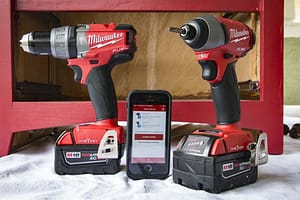
So, what do we learn from all these tech features? The xDrill costs $300, while Milwaukee’s drill is $99. This leaves you $200 for tools that really help.
Technology isn’t bad; it’s when it’s not useful that it’s expensive. Whitecap shows us that the key is solving business problems, not just adding tech for tech’s sake.
The future is about tech that knows its role. Sometimes, the best choice is simple, reliable tools. Not everything needs to be “smart.”
Good tools should fix problems, not make new ones. The best tech is the kind that makes your work easier, not harder.