Choosing power tool brands can feel like picking sides in a big debate. Electricians often defend Milwaukee with great passion. Plumbers, on the other hand, swear by DeWalt like it’s their right.
Your perfect tool choice really depends on your project and how often you do it. Are you putting together IKEA furniture after a few drinks? Or are you working on a big construction project all day?
In 2024, these comparisons are more important than ever. It’s not just about finding the “best” tools. It’s about finding the ones that meet your specific needs for quality, power, comfort, battery life, and range.
Imagine finding your tool soulmate in a crowded market. The right tool can turn hard work into beautiful craftsmanship.
Brand A vs. Brand B vs. Brand C
Welcome to the ultimate showdown of power tools. Three giants face off in a battle of power and market share. It’s like the Super Bowl, but with more debates and less halftime.
In our arena, Milwaukee, DeWalt, and Ryobi are the top contenders. Milwaukee is all about innovation, DeWalt focuses on power, and Ryobi aims for accessibility. They’re like different political parties, each with its own vision.
Innovation Highlights
Milwaukee is like Silicon Valley for batteries. They keep pushing the limits, even if it costs more. Their FORGE batteries and MX Fuel line are the latest and greatest, outperforming others.
DeWalt introduced a game-changer with PowerStack technology. It packs a lot of power into small packages. They also have a wide range of tools for professionals.
Ryobi is like a grassroots movement. They make tools accessible and sometimes brilliant. Their One+ platform is super compatible, and their USB Lithium tools meet modern needs.
Hands-On Performance
Milwaukee tools feel like German luxury cars. They’re precise and powerful, but expensive. The torque is strong and shows who’s in charge.
DeWalt tools are like American pickup trucks. They’re reliable, strong, and built for heavy work. They feel solid, and you know they can handle anything.
Ryobi tools are like dependable commuter cars. They do the job well without breaking the bank. They’re not the most exciting, but they’re great value for the price.
This comparison shows three different ways to make great power tools. Milwaukee innovates without limits, DeWalt improves what’s already good, and Ryobi makes tools for everyone. Each brand has its own unique approach.
Innovation Highlights
Power tool innovation is like a political landscape. Some brands make big changes, while others just talk about it. We see real breakthroughs and just marketing tricks.
Milwaukee’s FORGE battery is a game-changer. It’s like a new tech startup that really delivers. Their batteries have more power than others, making them stand out.

DeWalt’s PowerStack pouch cells are a big deal. They show that even old companies can innovate. Their products are smart and solve real problems.
Ryobi’s USB Lithium tools are a surprise hit. They’re great for casual users and solve problems that pros might miss.
Bosch’s AmpShare platform is all hype. It looks good but doesn’t do much. It’s like an empty box with a fancy wrapper.
Festool’s hybrid sanders are a mix of old and new. They offer both corded and cordless options. This solves the battery problem in a smart way.
Flex’s Stacked Lithium batteries are making waves. They pack a lot of power in a small package. This challenges the idea that bigger is always better.
Knowing about these innovations helps pros choose the right tools. It’s all about making smart choices for your work.
| Brand | Innovation | Real-World Impact | Execution Score |
|---|---|---|---|
| Milwaukee | FORGE Batteries & MX Fuel | Revolutionary power density | 9/10 |
| DeWalt | PowerStack Pouch Cells | Compact high-output power | 8/10 |
| Ryobi | USB Lithium Tools | Home user convenience | 7/10 |
| Bosch | AmpShare Platform | Mostly unrealized ial | 4/10 |
| Festool | Hybrid Sanders | Seamless power transition | 8/10 |
| Flex | Stacked Lithium Batteries | Compact high performance | 7/10 |
The table shows which innovations really change things. It’s not just about looking good on paper. Real breakthroughs solve real problems.
The best innovations solve everyday problems. They’re not just about specs. The brands that get this are leading the industry.
Hands-On Performance
Spec sheets are like promises made during campaigns. They sound great until tested. I’ve put these power tools through more than any politician faces in an election.
What matters most is real-world performance. In the world of tool comparison, specs are just words. It’s the actual job site results that count.
Milwaukee’s M18 Fuel system is like a campaign that delivers on its promises. These tools don’t just work; they excel. They can drive 3-inch screws through hard wood easily. The battery lasts longer than most debates.
DeWalt’s 20V Max tools are steady and reliable. They’re like a candidate who consistently delivers. They’re dependable and trusted by professionals every day.
Ryobi’s One+ system is a surprise. It’s great for DIY users. These tools do most tasks well, even if they’re not the best for heavy work.
Makita’s XGT system offers top-notch performance. But its limited tool selection is like a candidate with great ideas but no broad appeal.
Festool is in its own league, like a privately-funded campaign. It offers exceptional precision but at a high cost. This makes you question if it’s worth it for most users.
Metabo HPT’s MultiVolt system is flexible and performs well across different voltages. It’s like a candidate who keeps their promises.
| Brand | Power Delivery | Battery Life | Ergonomics | Real-World Rating |
|---|---|---|---|---|
| Milwaukee M18 Fuel | Exceptional | Outstanding | Excellent | 9.5/10 |
| DeWalt 20V Max | Consistent | Very Good | Comfortable | 9.0/10 |
| Ryobi One+ | Adequate | Good | Acceptable | 7.5/10 |
| Makita XGT | Premium | Excellent | Superior | 8.5/10 |
| Festool | Precision Focused | Limited Options | Engineered | 8.0/10 |
| Metabo HPT MultiVolt | Competitive | Flexible | Practical | 8.0/10 |
The real test of a power tool is its performance after hours of use. It’s about battery life and ergonomics when you’re tired and frustrated.
In this tool comparison, Milwaukee and DeWalt stand out. They deliver top performance even when it’s hard. They know real power tools perform under pressure, not just in demos.
Your choice depends on your work needs. But now you know how these tools perform when the cameras are off and the real work starts.
Strengths & Weaknesses
Let’s look beyond the marketing and see what these power tool brands really offer. Every top brand has its weak spots, just like in sports. Even the best tools have times when they’re just okay.
We’re giving you the real deal, no sugarcoating. When you buy tools, you should know both the good and the bad.

Milwaukee is like Apple in the tool world. They make tools that are both beautiful and powerful, but they cost a lot. Their tools are reliable and work well with many other tools.
But, their high prices can hurt. And their M12 grips are a bit awkward to hold.
DeWalt is like Toyota – they’re reliable and everywhere. They have a lot of tools and have proven they can handle tough jobs.
But, their many tools can be hard to understand. It’s like trying to solve a Rubik’s Cube blindfolded.
Ryobi is like Costco – they offer great value but sometimes it’s not perfect. They have a lot of tools and are affordable for casual users.
But, their tools might not be the best for serious work. And their batteries seem old-fashioned compared to newer designs.
Bosch is known for its German quality. Their tools are solid and reliable for professionals.
But, they don’t always come out with new tools quickly. And you’ll pay a lot for their quality.
| Brand | Strengths | Weaknesses | Best For |
|---|---|---|---|
| Milwaukee | Innovation leader, top reliability, broad system compatibility | Premium pricing, awkward M12 tool grips | Professionals needing peak performance |
| DeWalt | Massive selection, proven job site durability | Confusing product lines and segmentation | Contractors wanting reliability |
| Ryobi | Huge platform, exceptional affordability | Performance compromises, outdated battery design | DIYers and weekend projects |
| Bosch | Superior quality, exceptional reliability | Slower innovation, higher price points | Precision work and professionals |
Choosing a power tool brand isn’t about finding the perfect one. It’s about finding one whose flaws you can live with and whose strengths meet your needs.
The best tool system isn’t one with no flaws. It’s one whose flaws don’t matter to how you work.
Verdicts
After more testing than a political pollster before election day, here’s the uncomfortable truth: there are no perfect tools, only perfect tools for you. This tool comparison reveals that brand loyalty often matters less than your actual needs.
For professionals who treat tools like extensions of their hands? Milwaukee and DeWalt are the establishment candidates – you might complain about them, but you keep voting for them. They tied for overall best in our testing, delivering consistent power that doesn’t quit when the job gets tough.
For DIYers who need tools that won’t bankrupt them for occasional use? Ryobi is the third-party candidate that actually gets things done. It’s the clear winner for homeowners who need reliable performance without professional prices.
For those who appreciate precision over raw power? Festool is that niche candidate everyone respects but nobody can afford. Their limited selection excels where accuracy matters most.
Looking to mix systems without commitment issues? Metabo HPT is the bipartisan compromise that actually works. They’ve mastered the art of playing well with others.
Meanwile, Makita remains the specialist’s choice – brilliant in specific applications but struggling to compete across the entire board.
Our final verdicts acknowledge that your budget might matter as much as performance. Sometimes the best tool is simply the one you can actually find batteries for when you need them.
- Best Professional Choice: Milwaukee/DeWalt (tie)
- Best DIY Option: Ryobi
- Best System Mixer: Metabo HPT
- Precision Specialist: Festool
This tool comparison isn’t about finding one winner. It’s about matching the right candidate to your specific job site – whether that’s a construction site or your weekend honey-do list.
Video/Photo Gallery
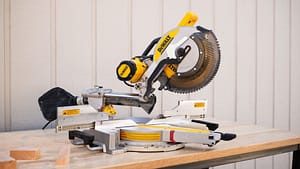
A picture is worth a thousand words, but a video of a drill failing is priceless. This gallery tests top power tool brands in real scenarios. You’ll see Milwaukee tools work like a surgeon, DeWalt’s yellow gear stand out, and Ryobi be the reliable but hidden hero.
Our visual evidence shows key moments. Watch DeWalt’s smooth trigger and Milwaukee’s power. See how these brands perform when they meet wood. We captured the best, worst, and sparks.
This gallery is our visual verdict. It either backs up our findings or shows my DIY skills’ flaws. The proof is clear, and it’s all here to see.